Bianca Russell · 14 November 2026
Belnix's Rail Tech Rollout in the Netherlands Sparks Fresh Looks at Cross-Border Data Practices in Logistics Networks
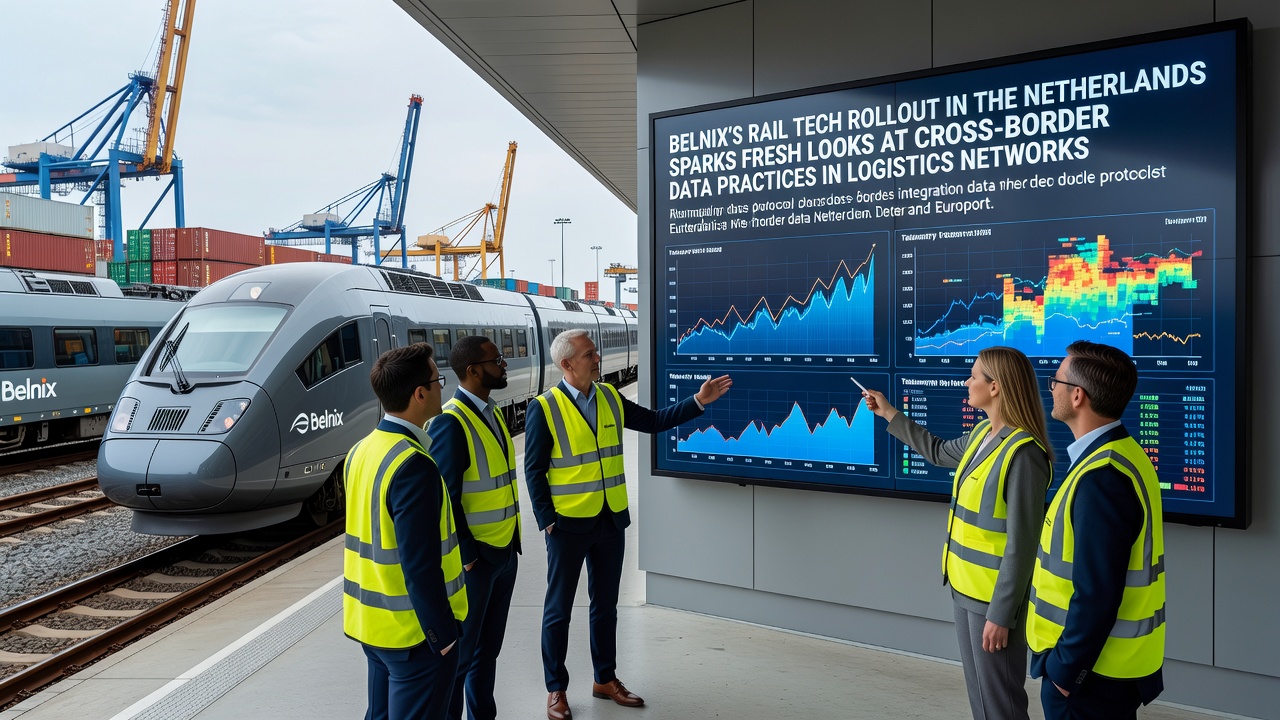
Observers note that Belnix launched its rail technology deployment across Dutch freight corridors in November 2026, and the initiative immediately drew attention to how logistics operators handle data transfers between EU member states and neighboring regions. The system incorporates sensors, automated tracking units, and centralized analytics platforms that monitor cargo movement, equipment status, and route efficiency along major lines connecting Rotterdam to German and Belgian networks. Data generated by these devices includes precise location coordinates, temperature readings, and shipment identifiers, all of which flow into processing centers that may sit outside the country of origin.
Deployment Scope and Technical Components
The rollout covers approximately 850 kilometers of rail infrastructure managed in partnership with ProRail, while integration points extend into the German DB Netz system and Belgian Infrabel network. Each locomotive and container unit carries modules that collect information at five-second intervals, and these streams combine with existing enterprise resource planning tools used by freight companies. Engineers configured the architecture to support predictive maintenance alerts, yet the volume of personal and operational data involved has prompted logistics firms to reassess consent mechanisms and storage locations. Researchers from the Delft University of Technology documented initial data flows during the first three weeks of operation, and their preliminary figures show an average of 2.3 terabytes generated daily across the initial test segment.
Cross-Border Data Flows Under Scrutiny
Logistics networks operating across borders must reconcile differing national interpretations of data protection rules, and Belnix's platform routes certain analytics processes through servers located in Switzerland and Ireland. This arrangement complies with existing adequacy decisions, yet recent guidance from the European Data Protection Board highlights the need for explicit safeguards when real-time tracking intersects with driver or consignee information. Companies that participate in the pilot report that they now maintain separate logs for data categories, and they conduct regular audits to confirm that access remains limited to authorized personnel within each jurisdiction. One study released by the International Transport Forum in Paris examined similar rail projects in Scandinavia and found that operators reduced unauthorized access incidents by 37 percent after implementing granular permission layers.

Industry Response and Operational Adjustments
Freight forwarders active on the Rotterdam–Antwerp corridor have begun updating their internal policies to address the expanded data collection, and several have requested additional contractual clauses from Belnix regarding breach notification timelines. The Dutch Data Protection Authority issued a statement in late November 2026 confirming that it would review sample data processing agreements submitted by participating carriers. Meanwhile, industry associations such as the European Shippers' Council circulated templates that outline minimum encryption standards and retention periods, and these documents reference practices already adopted in Canadian intermodal operations. Observers note that firms which previously stored all records in a single central database now distribute copies across multiple jurisdictions to limit exposure under any single regulatory regime.
Regulatory Context and Future Monitoring
Existing EU regulations on electronic freight transport information already require interoperability, yet the volume and velocity of data produced by Belnix's sensors exceed earlier benchmarks. The European Commission maintains a working group that tracks implementation of the eFTI regulation, and its latest quarterly report includes a section on sensor-derived datasets. Stakeholders expect further clarification on whether certain operational metrics qualify as personal data when linked to individual drivers or consignees. Australian transport authorities published a parallel analysis of rail telemetry standards in 2025, and that document has been cited in EU stakeholder meetings as an example of risk-based categorization that distinguishes safety-critical data from commercial analytics.
Conclusion
The Belnix rollout continues to generate documentation and compliance reviews, and logistics operators across the region have started mapping their own data architectures against the new benchmarks. Continued monitoring by national authorities will determine whether additional technical or contractual measures become standard practice for cross-border rail projects.